

My friend told me a story: His wife said to him, the husband: “Darling, I have a dream about my birthday, and in the dream I dreamt about earrings, a bracelet and a necklace. What do you think that means? And he said: “just wait till your birthday.” And then, on her birthday, he gave her a package. She opened it, and it was a book: How to Interpret Dreams.” Men don’t get it sometimes!
Dear sisters and brothers, let us reflect on this moment.
There is clearly a gap between what the wife wished for and what she received. This story reveals a deeper truth about the gaps that exist in our relationships, and how we, as humans, often struggle to truly understand and meet the needs of those we love. The wife’s expectation and the husband’s response symbolize the distance between two points—points that, unless we work to connect, can remain distant.

And that brings me to the image of a bridge, a powerful symbol. Bridges, as we know, serve a unique purpose. They connect two points—whether it’s crossing a river, spanning a valley, or linking two distant lands. As intechopen.com beautifully puts it: “Bridges are needed because they connect different points that usually can be inaccessible.”
But let’s ask ourselves: What are the inaccessible things in our lives? What are the gaps we face—between us and our spouse, our children, our neighbors, or even our deepest hopes for true happiness? These gaps can seem insurmountable, can’t they? We long to understand each other, but there’s always something that keeps us apart, whether it’s misunderstanding, hurt, or simply the complexities of our human nature.
And yet, the story of the Magi, which we celebrate today in the Feast of the Epiphany, offers us a powerful message. The Magi were seeking something more—a bridge to something greater. They were looking for the Savior, the one who would bridge the distance between humanity and God. And that is exactly what Christ did for us. He became the bridge. The Word became flesh, not only to walk among us, but to reconcile us to the Father. Jesus Christ, the ultimate bridge, connects heaven and earth, the divine and the human. In the Epiphany, we see that Christ’s love is not reserved for a select few but is extended to all people, all nations, all races. The walls of division are torn down, and Christ builds a bridge to all. How beautiful is this revelation!
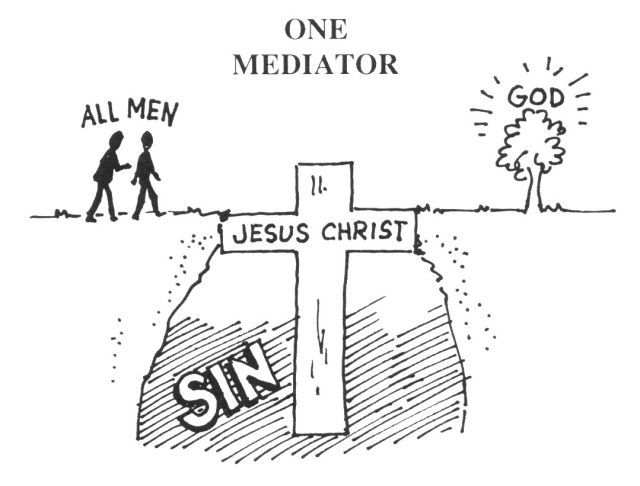
But the story doesn’t end there. As followers of Christ, we are called not only to receive this bridge but to become bridges ourselves. The Magi show us this path. They saw the strange star, and they didn’t simply stay where they were. They traveled long distances, offered precious gifts, and bowed in worship. They gave of themselves, and in doing so, they became bridges of God’s love to others.

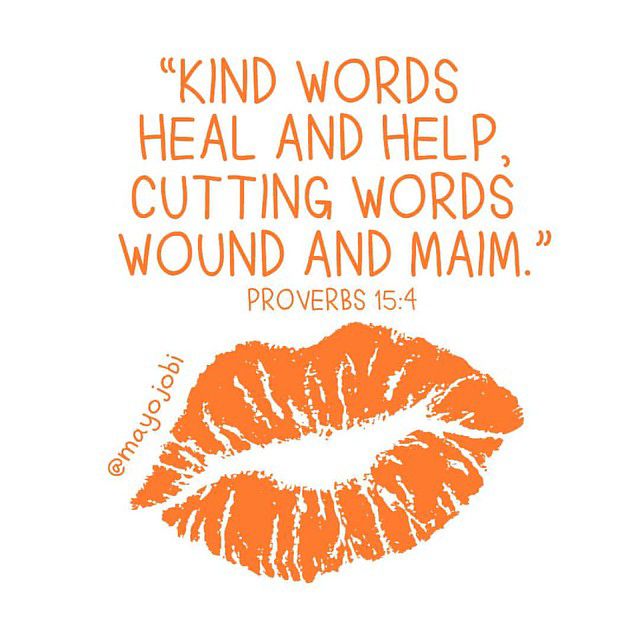
Now, we must ask ourselves: What does it mean for us to be bridges of love? I believe that each one of you has your own way of answering this. But today, I want to invite you to think about it in a very simple, specific way: through your words. Your words have the power to bridge hearts. Kind words can heal wounds that are buried deep. They can build bridges where there is division, comfort where there is sorrow, and inspire where there is despair. As you leave this Church today, ask yourself: What words can you offer? Will they be words that lift others up? Words that heal and inspire, like a beautiful quote that lingers in the heart? Words that reflect God’s love?
Let us now pray together:
“O Lord, our Savior, we thank You for being the great bridge that spans the distance between us and the Father. We ask that You inspire us to become bridges of love in the world—through our actions, and especially through our words. Help us to heal, to build, and to inspire. Amen.”
With love,
Little-pencil
 Little-pencil